Click here to follow us on

Who’s Ready to Explore?

Dive into fun resources, tools, and communities to spark a love of reading.

Kid’s Corner

Dive into a world of stories, games, and activites! Explore More >

Teaching Toolkit

Empowering young mind’s with our resource’s! Explore More >

Supporter’s Hub

Discover how your generosity can make a difference! Explore More >

Parent’s Place

Discover tips, tools, and fun ideas to support your little reader! Explore More >

Reading CLub

Build your skills with expert resources and exciting workshops Explore More >

Training Hub

Join the adventure with books, buddies, and reading fun! Explore More >

Stories to Read

Discover amazing stories full of Africa’s colours and magic!

New Filter

Stories to Listen To

Listen to amazing audio stories from Africa’s bold and beautiful culture!

Choose language

Stories to Watch

Listen to amazing audio stories from Africa’s bold and beautiful culture!

Activity Sheets & Printables:

Unleash Your Imagination with Exciting Printables and Activities!

Here’s the Story:

Inspiring a Love for Reading

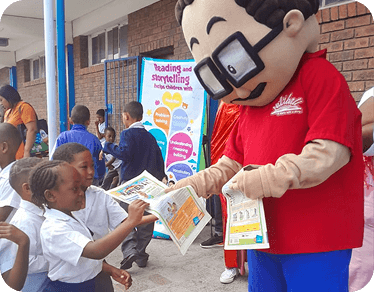
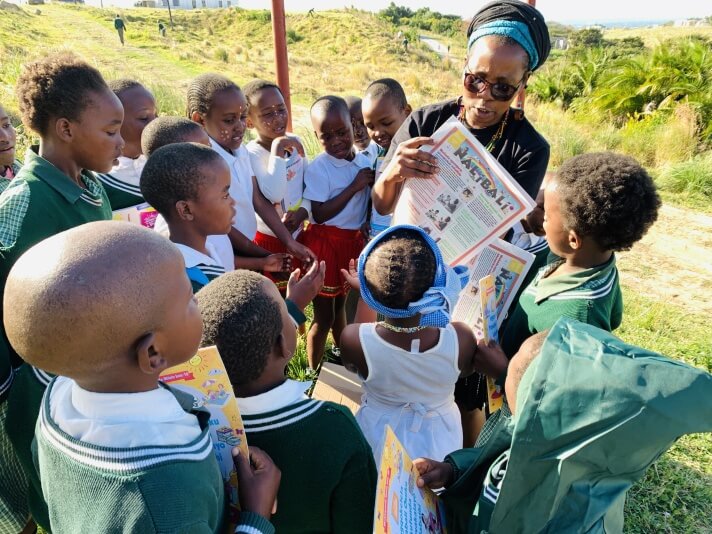
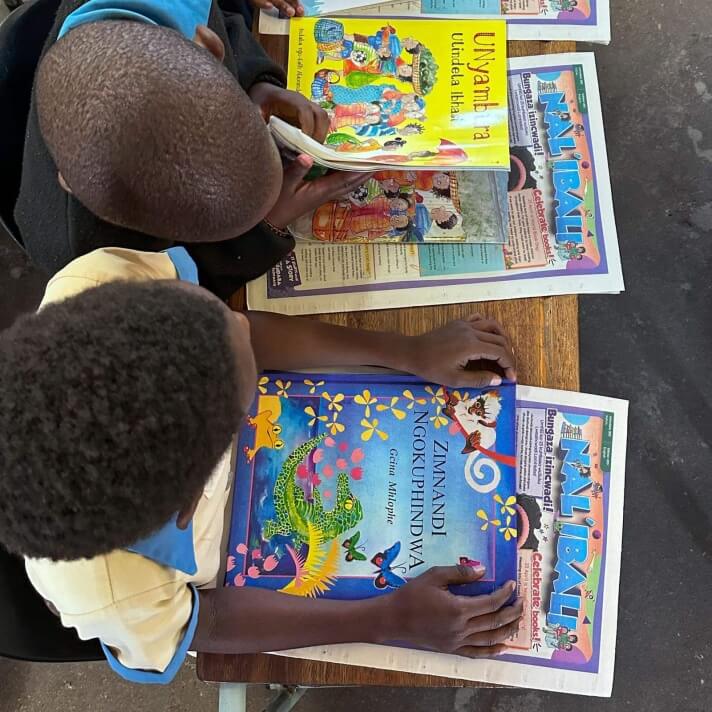
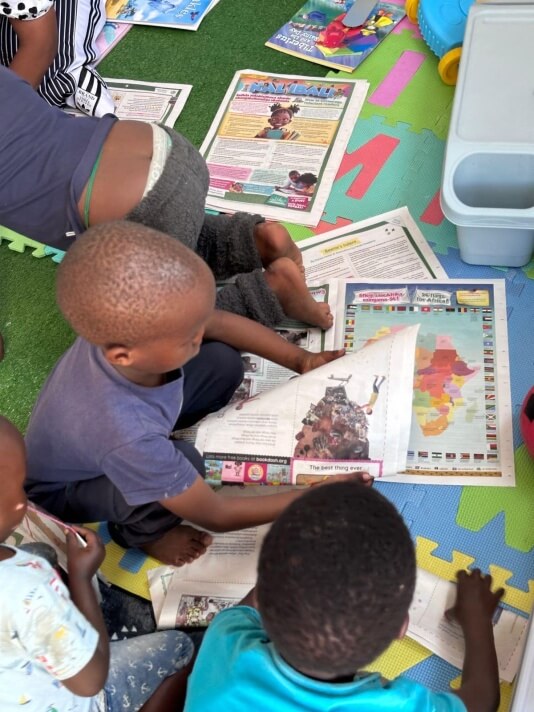
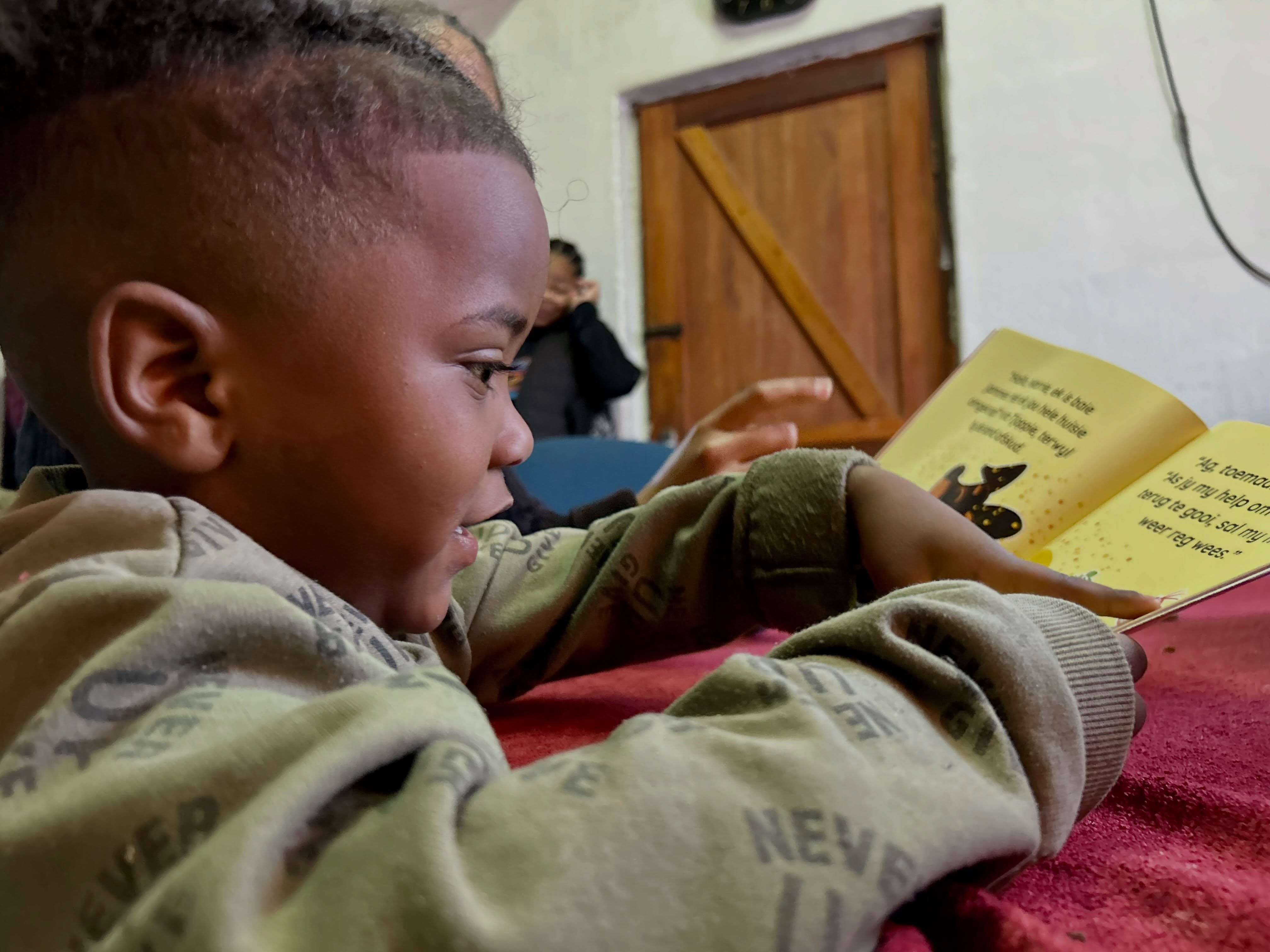
Nal’ibali (isiXhosa for “here’s the story”) is South Africa’s national reading-for-enjoyment campaign, inspiring children aged 0–12 to love reading with stories in all South African languages. By promoting home languages, Nal’ibali helps children build literacy skills and develop a lifelong reading culture. Adults play a key role in nurturing this love of stories and supporting children’s growth.

Our Campaigns

This is where Nal’ibali’s work on the ground comes to life, bringing the love of stories to children all over the country.

Inspiration in Action

Catch our latest moments, stories, and inspiration straight from Instagram.

@nalibalisa
Nal'ibali

@nalibalisa

Nal'ibali is a reading-for-enjoyment campaign that sparks children's potential through storytelling and reading.
  • Lessons Learnt from the 2nd Leadership in Literacy Dialogue
Sandton | Wednesday, 18 February 2026

The 2nd Leadership in Literacy Dialogue was more than a meeting of minds — it was a moment of reckoning, reflection and renewed commitment. As leaders from across sectors gathered in Sandton, one truth became clear: South Africa’s literacy crisis is urgent, complex and deeply human.

1. Literacy begins in the language of the heart.
Children learn best in the languages they speak and understand. Expanding access to books in African languages is not an optional extra — it is foundational. When a child reads in their mother tongue, they do not just decode words; they connect, imagine and belong.

2. We must fall in love with the problem.
Quick fixes will not solve systemic challenges. We were reminded that to build lasting solutions, we must first deeply understand the roots of the crisis — inequality, access, language barriers and resource gaps. Care, curiosity and commitment must guide our response.

3. Collaboration is non-negotiable.
No single organisation, department or funder can tackle literacy alone. Meaningful progress requires coordinated effort between government, civil society, academia, business and communities. Shared responsibility must translate into shared action.

4. Investment must be intentional and sustained.
Time, funding, research and human capital must be directed strategically. Literacy development is long-term work that demands patience, innovation and accountability.

5. Stories change lives.
At the heart of every statistic is a child. When children read, they imagine new possibilities. When they are read to, they feel valued. Literacy is not just about education — it is about dignity, opportunity and voice.

The dialogue closed with a powerful sense of collective responsibility. If we are to shift the trajectory of literacy in South Africa, we must move from conversation to coordinated action — boldly, urgently and together.

#LiteracyCrisis #SouthAfricaEducation #LeadershipInLiteracyDialogue #NationalCapability #ReadingForEnjoyment
  • In Case You Missed It: Dr Dolly Dlavane joined us as a panellist, bringing her expertise as a South African academic and language advocate.

Dr Dolly Dlavane is a prominent South African academic and language advocate specialising in the development and promotion of African languages, particularly Setswana.

She currently serves as Director of the Centre for African Language Teaching (CALT) at North-West University / Noordwes-Universiteit and a board member, now in her second term, and a member of Core Mandate Commitee and the Human Resource Social and Ethics Committee of the Pan South African Language Board, a constitutional body tasked with protecting and promoting South Africa’s official languages. 

With over two decades of experience in language planning and education, Dr Dlavane previously served as Director of the Setswana National Language Body (2011–2019).

Her academic qualifications include a PhD in Reading Literacy, an MA and BA Honours in Setswana from UNISA, and a BA from the University of the North. 

Dr Dlavane’s research and advocacy focus on the intellectualisation of African languages, promoting their use in scholarship and science, supporting multilingual pedagogy, and developing instructional frameworks for reading literacy in African languages. 

She is also a strong advocate for the UNESCO International Decade of Indigenous Languages (2022–2032), working to safeguard South Africa’s linguistic heritage.
  • The Leadership in Literacy Dialogue spotlighted the urgent need to expand access to books in African languages, reinforcing the importance of ensuring children can read for enjoyment and meaning in the languages they know best.

Keynote speaker Kulula Manona, Chief Director for Foundations for Learning at the @dbe_za, emphasised the critical role African language publishing plays in strengthening literacy outcomes.

Echoing the call for deeper engagement, Kentse Radebe, Deputy CEO of the @dgmurraytrust, encouraged stakeholders to “fall in love with the problem” — meaning that everyone must care deeply about understanding the root causes of literacy challenges before rushing to implement solutions. 

She urged businesses, academics, activists, government leaders and civil society partners to intentionally invest time, resources and collaboration into sustainable, long-term measures.

The dialogue reinforced a shared commitment: literacy is everyone’s responsibility, and collective action is essential to driving meaningful change.

#LeadershipInLiteracyDialogue #LiteracyForAll #AfricanLanguages #EducationMatters
  • Introducing one of our panellists, Kirsty Paxton, children’s author and educational specialist.

Kirsty is a Cape Town-born children’s author and educational specialist currently based in Canada, widely recognised for her expertise in early childhood development (ECD) and play-based learning. With a BSc and PGCE from the University of Cape Town, along with advanced studies at the University of Toronto, Kirsty’s career bridges academic research and creative storytelling.

Kirsty currently serves as Early Learning and Learning Design Head at SmartStart South Africa, where she leads the design and strengthening of early learning programmes at scale. She has also contributed to early learning strategies for global organisations such as the LEGO Foundation and Right To Play. In addition, Kirsty founded Artee Parteez, a company dedicated to “edutainment” through art and science.

Kirsty’s literary work is deeply rooted in African themes and the transformative power of imagination. 

Beyond fiction, she is a published researcher in the American Journal of Play, where she advocates for guided-play writing workshops. 

Her work highlights how playful, student-directed learning can help address educational challenges in developing contexts, positioning her as a leading voice in integrating play into primary education.
Lessons Learnt from the 2nd Leadership in Literacy Dialogue
Sandton | Wednesday, 18 February 2026

The 2nd Leadership in Literacy Dialogue was more than a meeting of minds — it was a moment of reckoning, reflection and renewed commitment. As leaders from across sectors gathered in Sandton, one truth became clear: South Africa’s literacy crisis is urgent, complex and deeply human.

1. Literacy begins in the language of the heart.
Children learn best in the languages they speak and understand. Expanding access to books in African languages is not an optional extra — it is foundational. When a child reads in their mother tongue, they do not just decode words; they connect, imagine and belong.

2. We must fall in love with the problem.
Quick fixes will not solve systemic challenges. We were reminded that to build lasting solutions, we must first deeply understand the roots of the crisis — inequality, access, language barriers and resource gaps. Care, curiosity and commitment must guide our response.

3. Collaboration is non-negotiable.
No single organisation, department or funder can tackle literacy alone. Meaningful progress requires coordinated effort between government, civil society, academia, business and communities. Shared responsibility must translate into shared action.

4. Investment must be intentional and sustained.
Time, funding, research and human capital must be directed strategically. Literacy development is long-term work that demands patience, innovation and accountability.

5. Stories change lives.
At the heart of every statistic is a child. When children read, they imagine new possibilities. When they are read to, they feel valued. Literacy is not just about education — it is about dignity, opportunity and voice.

The dialogue closed with a powerful sense of collective responsibility. If we are to shift the trajectory of literacy in South Africa, we must move from conversation to coordinated action — boldly, urgently and together.

#LiteracyCrisis #SouthAfricaEducation #LeadershipInLiteracyDialogue #NationalCapability #ReadingForEnjoyment
Lessons Learnt from the 2nd Leadership in Literacy Dialogue
Sandton | Wednesday, 18 February 2026

The 2nd Leadership in Literacy Dialogue was more than a meeting of minds — it was a moment of reckoning, reflection and renewed commitment. As leaders from across sectors gathered in Sandton, one truth became clear: South Africa’s literacy crisis is urgent, complex and deeply human.

1. Literacy begins in the language of the heart.
Children learn best in the languages they speak and understand. Expanding access to books in African languages is not an optional extra — it is foundational. When a child reads in their mother tongue, they do not just decode words; they connect, imagine and belong.

2. We must fall in love with the problem.
Quick fixes will not solve systemic challenges. We were reminded that to build lasting solutions, we must first deeply understand the roots of the crisis — inequality, access, language barriers and resource gaps. Care, curiosity and commitment must guide our response.

3. Collaboration is non-negotiable.
No single organisation, department or funder can tackle literacy alone. Meaningful progress requires coordinated effort between government, civil society, academia, business and communities. Shared responsibility must translate into shared action.

4. Investment must be intentional and sustained.
Time, funding, research and human capital must be directed strategically. Literacy development is long-term work that demands patience, innovation and accountability.

5. Stories change lives.
At the heart of every statistic is a child. When children read, they imagine new possibilities. When they are read to, they feel valued. Literacy is not just about education — it is about dignity, opportunity and voice.

The dialogue closed with a powerful sense of collective responsibility. If we are to shift the trajectory of literacy in South Africa, we must move from conversation to coordinated action — boldly, urgently and together.

#LiteracyCrisis #SouthAfricaEducation #LeadershipInLiteracyDialogue #NationalCapability #ReadingForEnjoyment
Lessons Learnt from the 2nd Leadership in Literacy Dialogue
Sandton | Wednesday, 18 February 2026

The 2nd Leadership in Literacy Dialogue was more than a meeting of minds — it was a moment of reckoning, reflection and renewed commitment. As leaders from across sectors gathered in Sandton, one truth became clear: South Africa’s literacy crisis is urgent, complex and deeply human.

1. Literacy begins in the language of the heart.
Children learn best in the languages they speak and understand. Expanding access to books in African languages is not an optional extra — it is foundational. When a child reads in their mother tongue, they do not just decode words; they connect, imagine and belong.

2. We must fall in love with the problem.
Quick fixes will not solve systemic challenges. We were reminded that to build lasting solutions, we must first deeply understand the roots of the crisis — inequality, access, language barriers and resource gaps. Care, curiosity and commitment must guide our response.

3. Collaboration is non-negotiable.
No single organisation, department or funder can tackle literacy alone. Meaningful progress requires coordinated effort between government, civil society, academia, business and communities. Shared responsibility must translate into shared action.

4. Investment must be intentional and sustained.
Time, funding, research and human capital must be directed strategically. Literacy development is long-term work that demands patience, innovation and accountability.

5. Stories change lives.
At the heart of every statistic is a child. When children read, they imagine new possibilities. When they are read to, they feel valued. Literacy is not just about education — it is about dignity, opportunity and voice.

The dialogue closed with a powerful sense of collective responsibility. If we are to shift the trajectory of literacy in South Africa, we must move from conversation to coordinated action — boldly, urgently and together.

#LiteracyCrisis #SouthAfricaEducation #LeadershipInLiteracyDialogue #NationalCapability #ReadingForEnjoyment
Lessons Learnt from the 2nd Leadership in Literacy Dialogue
Sandton | Wednesday, 18 February 2026

The 2nd Leadership in Literacy Dialogue was more than a meeting of minds — it was a moment of reckoning, reflection and renewed commitment. As leaders from across sectors gathered in Sandton, one truth became clear: South Africa’s literacy crisis is urgent, complex and deeply human.

1. Literacy begins in the language of the heart.
Children learn best in the languages they speak and understand. Expanding access to books in African languages is not an optional extra — it is foundational. When a child reads in their mother tongue, they do not just decode words; they connect, imagine and belong.

2. We must fall in love with the problem.
Quick fixes will not solve systemic challenges. We were reminded that to build lasting solutions, we must first deeply understand the roots of the crisis — inequality, access, language barriers and resource gaps. Care, curiosity and commitment must guide our response.

3. Collaboration is non-negotiable.
No single organisation, department or funder can tackle literacy alone. Meaningful progress requires coordinated effort between government, civil society, academia, business and communities. Shared responsibility must translate into shared action.

4. Investment must be intentional and sustained.
Time, funding, research and human capital must be directed strategically. Literacy development is long-term work that demands patience, innovation and accountability.

5. Stories change lives.
At the heart of every statistic is a child. When children read, they imagine new possibilities. When they are read to, they feel valued. Literacy is not just about education — it is about dignity, opportunity and voice.

The dialogue closed with a powerful sense of collective responsibility. If we are to shift the trajectory of literacy in South Africa, we must move from conversation to coordinated action — boldly, urgently and together.

#LiteracyCrisis #SouthAfricaEducation #LeadershipInLiteracyDialogue #NationalCapability #ReadingForEnjoyment
Lessons Learnt from the 2nd Leadership in Literacy Dialogue
Sandton | Wednesday, 18 February 2026

The 2nd Leadership in Literacy Dialogue was more than a meeting of minds — it was a moment of reckoning, reflection and renewed commitment. As leaders from across sectors gathered in Sandton, one truth became clear: South Africa’s literacy crisis is urgent, complex and deeply human.

1. Literacy begins in the language of the heart.
Children learn best in the languages they speak and understand. Expanding access to books in African languages is not an optional extra — it is foundational. When a child reads in their mother tongue, they do not just decode words; they connect, imagine and belong.

2. We must fall in love with the problem.
Quick fixes will not solve systemic challenges. We were reminded that to build lasting solutions, we must first deeply understand the roots of the crisis — inequality, access, language barriers and resource gaps. Care, curiosity and commitment must guide our response.

3. Collaboration is non-negotiable.
No single organisation, department or funder can tackle literacy alone. Meaningful progress requires coordinated effort between government, civil society, academia, business and communities. Shared responsibility must translate into shared action.

4. Investment must be intentional and sustained.
Time, funding, research and human capital must be directed strategically. Literacy development is long-term work that demands patience, innovation and accountability.

5. Stories change lives.
At the heart of every statistic is a child. When children read, they imagine new possibilities. When they are read to, they feel valued. Literacy is not just about education — it is about dignity, opportunity and voice.

The dialogue closed with a powerful sense of collective responsibility. If we are to shift the trajectory of literacy in South Africa, we must move from conversation to coordinated action — boldly, urgently and together.

#LiteracyCrisis #SouthAfricaEducation #LeadershipInLiteracyDialogue #NationalCapability #ReadingForEnjoyment
Lessons Learnt from the 2nd Leadership in Literacy Dialogue
Sandton | Wednesday, 18 February 2026

The 2nd Leadership in Literacy Dialogue was more than a meeting of minds — it was a moment of reckoning, reflection and renewed commitment. As leaders from across sectors gathered in Sandton, one truth became clear: South Africa’s literacy crisis is urgent, complex and deeply human.

1. Literacy begins in the language of the heart.
Children learn best in the languages they speak and understand. Expanding access to books in African languages is not an optional extra — it is foundational. When a child reads in their mother tongue, they do not just decode words; they connect, imagine and belong.

2. We must fall in love with the problem.
Quick fixes will not solve systemic challenges. We were reminded that to build lasting solutions, we must first deeply understand the roots of the crisis — inequality, access, language barriers and resource gaps. Care, curiosity and commitment must guide our response.

3. Collaboration is non-negotiable.
No single organisation, department or funder can tackle literacy alone. Meaningful progress requires coordinated effort between government, civil society, academia, business and communities. Shared responsibility must translate into shared action.

4. Investment must be intentional and sustained.
Time, funding, research and human capital must be directed strategically. Literacy development is long-term work that demands patience, innovation and accountability.

5. Stories change lives.
At the heart of every statistic is a child. When children read, they imagine new possibilities. When they are read to, they feel valued. Literacy is not just about education — it is about dignity, opportunity and voice.

The dialogue closed with a powerful sense of collective responsibility. If we are to shift the trajectory of literacy in South Africa, we must move from conversation to coordinated action — boldly, urgently and together.

#LiteracyCrisis #SouthAfricaEducation #LeadershipInLiteracyDialogue #NationalCapability #ReadingForEnjoyment
Lessons Learnt from the 2nd Leadership in Literacy Dialogue
Sandton | Wednesday, 18 February 2026

The 2nd Leadership in Literacy Dialogue was more than a meeting of minds — it was a moment of reckoning, reflection and renewed commitment. As leaders from across sectors gathered in Sandton, one truth became clear: South Africa’s literacy crisis is urgent, complex and deeply human.

1. Literacy begins in the language of the heart.
Children learn best in the languages they speak and understand. Expanding access to books in African languages is not an optional extra — it is foundational. When a child reads in their mother tongue, they do not just decode words; they connect, imagine and belong.

2. We must fall in love with the problem.
Quick fixes will not solve systemic challenges. We were reminded that to build lasting solutions, we must first deeply understand the roots of the crisis — inequality, access, language barriers and resource gaps. Care, curiosity and commitment must guide our response.

3. Collaboration is non-negotiable.
No single organisation, department or funder can tackle literacy alone. Meaningful progress requires coordinated effort between government, civil society, academia, business and communities. Shared responsibility must translate into shared action.

4. Investment must be intentional and sustained.
Time, funding, research and human capital must be directed strategically. Literacy development is long-term work that demands patience, innovation and accountability.

5. Stories change lives.
At the heart of every statistic is a child. When children read, they imagine new possibilities. When they are read to, they feel valued. Literacy is not just about education — it is about dignity, opportunity and voice.

The dialogue closed with a powerful sense of collective responsibility. If we are to shift the trajectory of literacy in South Africa, we must move from conversation to coordinated action — boldly, urgently and together.

#LiteracyCrisis #SouthAfricaEducation #LeadershipInLiteracyDialogue #NationalCapability #ReadingForEnjoyment
Lessons Learnt from the 2nd Leadership in Literacy Dialogue
Sandton | Wednesday, 18 February 2026

The 2nd Leadership in Literacy Dialogue was more than a meeting of minds — it was a moment of reckoning, reflection and renewed commitment. As leaders from across sectors gathered in Sandton, one truth became clear: South Africa’s literacy crisis is urgent, complex and deeply human.

1. Literacy begins in the language of the heart.
Children learn best in the languages they speak and understand. Expanding access to books in African languages is not an optional extra — it is foundational. When a child reads in their mother tongue, they do not just decode words; they connect, imagine and belong.

2. We must fall in love with the problem.
Quick fixes will not solve systemic challenges. We were reminded that to build lasting solutions, we must first deeply understand the roots of the crisis — inequality, access, language barriers and resource gaps. Care, curiosity and commitment must guide our response.

3. Collaboration is non-negotiable.
No single organisation, department or funder can tackle literacy alone. Meaningful progress requires coordinated effort between government, civil society, academia, business and communities. Shared responsibility must translate into shared action.

4. Investment must be intentional and sustained.
Time, funding, research and human capital must be directed strategically. Literacy development is long-term work that demands patience, innovation and accountability.

5. Stories change lives.
At the heart of every statistic is a child. When children read, they imagine new possibilities. When they are read to, they feel valued. Literacy is not just about education — it is about dignity, opportunity and voice.

The dialogue closed with a powerful sense of collective responsibility. If we are to shift the trajectory of literacy in South Africa, we must move from conversation to coordinated action — boldly, urgently and together.

#LiteracyCrisis #SouthAfricaEducation #LeadershipInLiteracyDialogue #NationalCapability #ReadingForEnjoyment
Lessons Learnt from the 2nd Leadership in Literacy Dialogue
Sandton | Wednesday, 18 February 2026

The 2nd Leadership in Literacy Dialogue was more than a meeting of minds — it was a moment of reckoning, reflection and renewed commitment. As leaders from across sectors gathered in Sandton, one truth became clear: South Africa’s literacy crisis is urgent, complex and deeply human.

1. Literacy begins in the language of the heart.
Children learn best in the languages they speak and understand. Expanding access to books in African languages is not an optional extra — it is foundational. When a child reads in their mother tongue, they do not just decode words; they connect, imagine and belong.

2. We must fall in love with the problem.
Quick fixes will not solve systemic challenges. We were reminded that to build lasting solutions, we must first deeply understand the roots of the crisis — inequality, access, language barriers and resource gaps. Care, curiosity and commitment must guide our response.

3. Collaboration is non-negotiable.
No single organisation, department or funder can tackle literacy alone. Meaningful progress requires coordinated effort between government, civil society, academia, business and communities. Shared responsibility must translate into shared action.

4. Investment must be intentional and sustained.
Time, funding, research and human capital must be directed strategically. Literacy development is long-term work that demands patience, innovation and accountability.

5. Stories change lives.
At the heart of every statistic is a child. When children read, they imagine new possibilities. When they are read to, they feel valued. Literacy is not just about education — it is about dignity, opportunity and voice.

The dialogue closed with a powerful sense of collective responsibility. If we are to shift the trajectory of literacy in South Africa, we must move from conversation to coordinated action — boldly, urgently and together.

#LiteracyCrisis #SouthAfricaEducation #LeadershipInLiteracyDialogue #NationalCapability #ReadingForEnjoyment
Lessons Learnt from the 2nd Leadership in Literacy Dialogue
Sandton | Wednesday, 18 February 2026

The 2nd Leadership in Literacy Dialogue was more than a meeting of minds — it was a moment of reckoning, reflection and renewed commitment. As leaders from across sectors gathered in Sandton, one truth became clear: South Africa’s literacy crisis is urgent, complex and deeply human.

1. Literacy begins in the language of the heart.
Children learn best in the languages they speak and understand. Expanding access to books in African languages is not an optional extra — it is foundational. When a child reads in their mother tongue, they do not just decode words; they connect, imagine and belong.

2. We must fall in love with the problem.
Quick fixes will not solve systemic challenges. We were reminded that to build lasting solutions, we must first deeply understand the roots of the crisis — inequality, access, language barriers and resource gaps. Care, curiosity and commitment must guide our response.

3. Collaboration is non-negotiable.
No single organisation, department or funder can tackle literacy alone. Meaningful progress requires coordinated effort between government, civil society, academia, business and communities. Shared responsibility must translate into shared action.

4. Investment must be intentional and sustained.
Time, funding, research and human capital must be directed strategically. Literacy development is long-term work that demands patience, innovation and accountability.

5. Stories change lives.
At the heart of every statistic is a child. When children read, they imagine new possibilities. When they are read to, they feel valued. Literacy is not just about education — it is about dignity, opportunity and voice.

The dialogue closed with a powerful sense of collective responsibility. If we are to shift the trajectory of literacy in South Africa, we must move from conversation to coordinated action — boldly, urgently and together.

#LiteracyCrisis #SouthAfricaEducation #LeadershipInLiteracyDialogue #NationalCapability #ReadingForEnjoyment
Lessons Learnt from the 2nd Leadership in Literacy Dialogue Sandton | Wednesday, 18 February 2026 The 2nd Leadership in Literacy Dialogue was more than a meeting of minds — it was a moment of reckoning, reflection and renewed commitment. As leaders from across sectors gathered in Sandton, one truth became clear: South Africa’s literacy crisis is urgent, complex and deeply human. 1. Literacy begins in the language of the heart. Children learn best in the languages they speak and understand. Expanding access to books in African languages is not an optional extra — it is foundational. When a child reads in their mother tongue, they do not just decode words; they connect, imagine and belong. 2. We must fall in love with the problem. Quick fixes will not solve systemic challenges. We were reminded that to build lasting solutions, we must first deeply understand the roots of the crisis — inequality, access, language barriers and resource gaps. Care, curiosity and commitment must guide our response. 3. Collaboration is non-negotiable. No single organisation, department or funder can tackle literacy alone. Meaningful progress requires coordinated effort between government, civil society, academia, business and communities. Shared responsibility must translate into shared action. 4. Investment must be intentional and sustained. Time, funding, research and human capital must be directed strategically. Literacy development is long-term work that demands patience, innovation and accountability. 5. Stories change lives. At the heart of every statistic is a child. When children read, they imagine new possibilities. When they are read to, they feel valued. Literacy is not just about education — it is about dignity, opportunity and voice. The dialogue closed with a powerful sense of collective responsibility. If we are to shift the trajectory of literacy in South Africa, we must move from conversation to coordinated action — boldly, urgently and together. #LiteracyCrisis #SouthAfricaEducation #LeadershipInLiteracyDialogue #NationalCapability #ReadingForEnjoyment
21 hours ago
View on Instagram |
1/4
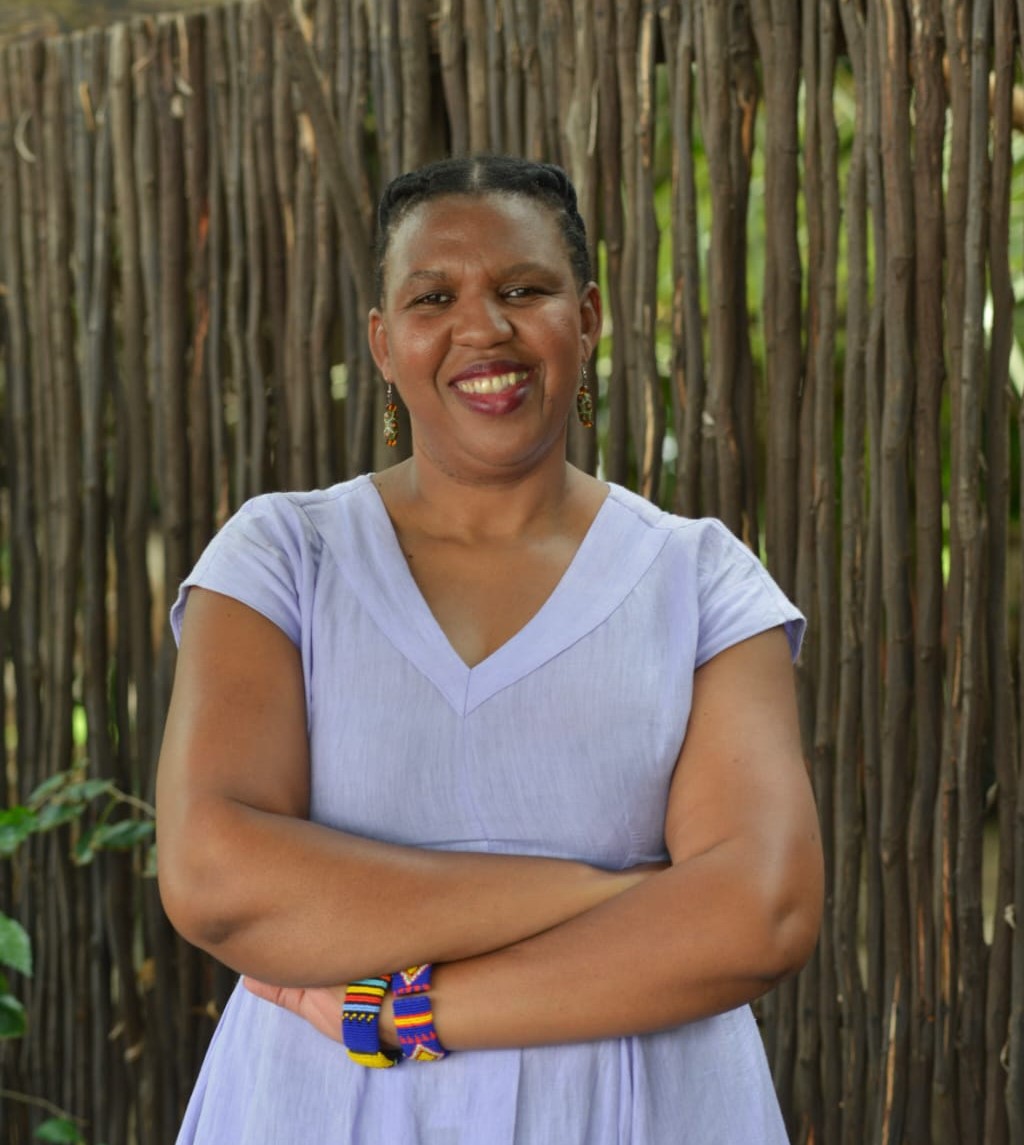
In Case You Missed It: Dr Dolly Dlavane joined us as a panellist, bringing her expertise as a South African academic and language advocate.

Dr Dolly Dlavane is a prominent South African academic and language advocate specialising in the development and promotion of African languages, particularly Setswana.

She currently serves as Director of the Centre for African Language Teaching (CALT) at North-West University / Noordwes-Universiteit and a board member, now in her second term, and a member of Core Mandate Commitee and the Human Resource Social and Ethics Committee of the Pan South African Language Board, a constitutional body tasked with protecting and promoting South Africa’s official languages. 

With over two decades of experience in language planning and education, Dr Dlavane previously served as Director of the Setswana National Language Body (2011–2019).

Her academic qualifications include a PhD in Reading Literacy, an MA and BA Honours in Setswana from UNISA, and a BA from the University of the North. 

Dr Dlavane’s research and advocacy focus on the intellectualisation of African languages, promoting their use in scholarship and science, supporting multilingual pedagogy, and developing instructional frameworks for reading literacy in African languages. 

She is also a strong advocate for the UNESCO International Decade of Indigenous Languages (2022–2032), working to safeguard South Africa’s linguistic heritage.
In Case You Missed It: Dr Dolly Dlavane joined us as a panellist, bringing her expertise as a South African academic and language advocate. Dr Dolly Dlavane is a prominent South African academic and language advocate specialising in the development and promotion of African languages, particularly Setswana. She currently serves as Director of the Centre for African Language Teaching (CALT) at North-West University / Noordwes-Universiteit and a board member, now in her second term, and a member of Core Mandate Commitee and the Human Resource Social and Ethics Committee of the Pan South African Language Board, a constitutional body tasked with protecting and promoting South Africa’s official languages. With over two decades of experience in language planning and education, Dr Dlavane previously served as Director of the Setswana National Language Body (2011–2019). Her academic qualifications include a PhD in Reading Literacy, an MA and BA Honours in Setswana from UNISA, and a BA from the University of the North. Dr Dlavane’s research and advocacy focus on the intellectualisation of African languages, promoting their use in scholarship and science, supporting multilingual pedagogy, and developing instructional frameworks for reading literacy in African languages. She is also a strong advocate for the UNESCO International Decade of Indigenous Languages (2022–2032), working to safeguard South Africa’s linguistic heritage.
1 day ago
View on Instagram |
2/4
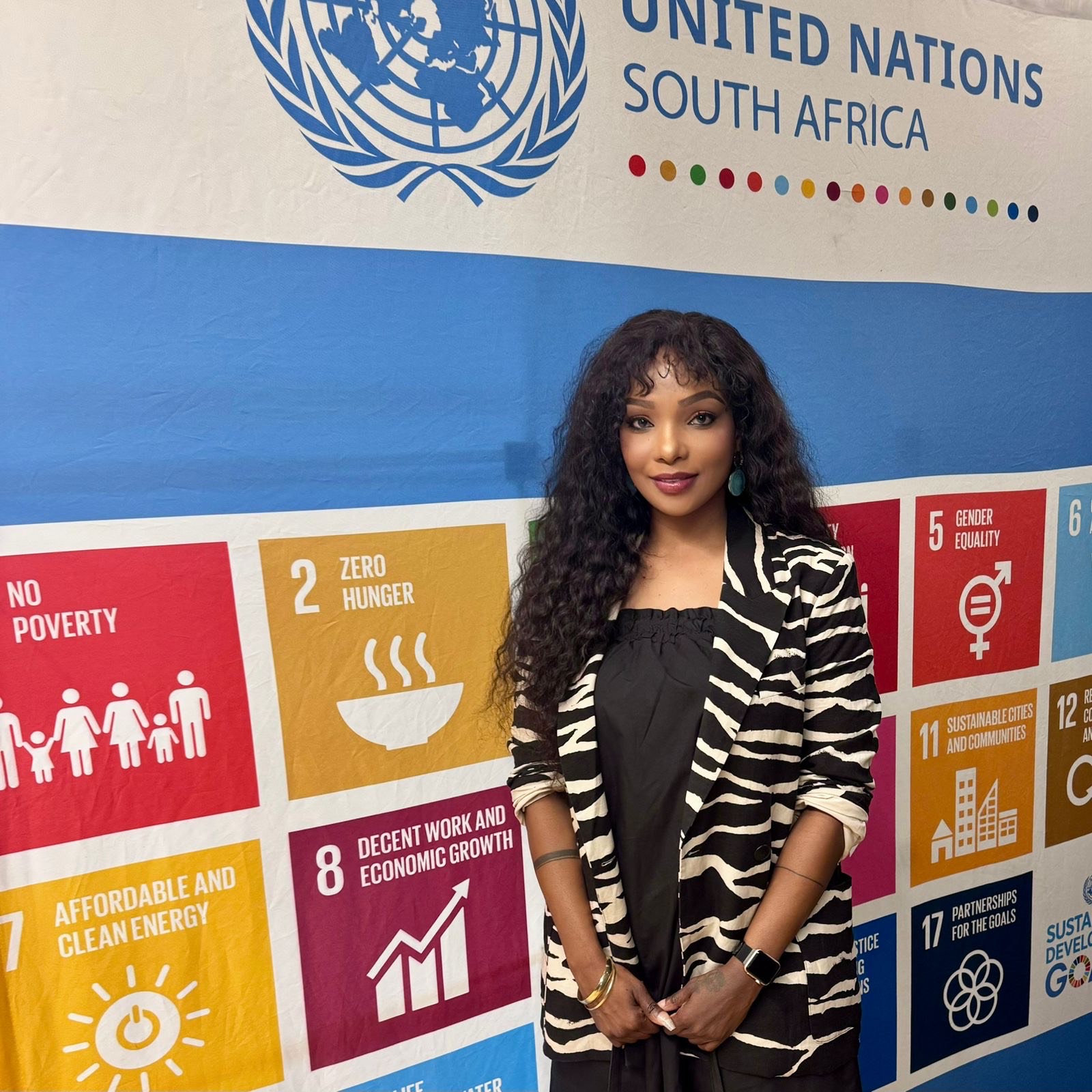
The Leadership in Literacy Dialogue spotlighted the urgent need to expand access to books in African languages, reinforcing the importance of ensuring children can read for enjoyment and meaning in the languages they know best.

Keynote speaker Kulula Manona, Chief Director for Foundations for Learning at the @dbe_za, emphasised the critical role African language publishing plays in strengthening literacy outcomes.

Echoing the call for deeper engagement, Kentse Radebe, Deputy CEO of the @dgmurraytrust, encouraged stakeholders to “fall in love with the problem” — meaning that everyone must care deeply about understanding the root causes of literacy challenges before rushing to implement solutions. 

She urged businesses, academics, activists, government leaders and civil society partners to intentionally invest time, resources and collaboration into sustainable, long-term measures.

The dialogue reinforced a shared commitment: literacy is everyone’s responsibility, and collective action is essential to driving meaningful change.

#LeadershipInLiteracyDialogue #LiteracyForAll #AfricanLanguages #EducationMatters
The Leadership in Literacy Dialogue spotlighted the urgent need to expand access to books in African languages, reinforcing the importance of ensuring children can read for enjoyment and meaning in the languages they know best.

Keynote speaker Kulula Manona, Chief Director for Foundations for Learning at the @dbe_za, emphasised the critical role African language publishing plays in strengthening literacy outcomes.

Echoing the call for deeper engagement, Kentse Radebe, Deputy CEO of the @dgmurraytrust, encouraged stakeholders to “fall in love with the problem” — meaning that everyone must care deeply about understanding the root causes of literacy challenges before rushing to implement solutions. 

She urged businesses, academics, activists, government leaders and civil society partners to intentionally invest time, resources and collaboration into sustainable, long-term measures.

The dialogue reinforced a shared commitment: literacy is everyone’s responsibility, and collective action is essential to driving meaningful change.

#LeadershipInLiteracyDialogue #LiteracyForAll #AfricanLanguages #EducationMatters
The Leadership in Literacy Dialogue spotlighted the urgent need to expand access to books in African languages, reinforcing the importance of ensuring children can read for enjoyment and meaning in the languages they know best.

Keynote speaker Kulula Manona, Chief Director for Foundations for Learning at the @dbe_za, emphasised the critical role African language publishing plays in strengthening literacy outcomes.

Echoing the call for deeper engagement, Kentse Radebe, Deputy CEO of the @dgmurraytrust, encouraged stakeholders to “fall in love with the problem” — meaning that everyone must care deeply about understanding the root causes of literacy challenges before rushing to implement solutions. 

She urged businesses, academics, activists, government leaders and civil society partners to intentionally invest time, resources and collaboration into sustainable, long-term measures.

The dialogue reinforced a shared commitment: literacy is everyone’s responsibility, and collective action is essential to driving meaningful change.

#LeadershipInLiteracyDialogue #LiteracyForAll #AfricanLanguages #EducationMatters
The Leadership in Literacy Dialogue spotlighted the urgent need to expand access to books in African languages, reinforcing the importance of ensuring children can read for enjoyment and meaning in the languages they know best. Keynote speaker Kulula Manona, Chief Director for Foundations for Learning at the @dbe_za, emphasised the critical role African language publishing plays in strengthening literacy outcomes. Echoing the call for deeper engagement, Kentse Radebe, Deputy CEO of the @dgmurraytrust, encouraged stakeholders to “fall in love with the problem” — meaning that everyone must care deeply about understanding the root causes of literacy challenges before rushing to implement solutions. She urged businesses, academics, activists, government leaders and civil society partners to intentionally invest time, resources and collaboration into sustainable, long-term measures. The dialogue reinforced a shared commitment: literacy is everyone’s responsibility, and collective action is essential to driving meaningful change. #LeadershipInLiteracyDialogue #LiteracyForAll #AfricanLanguages #EducationMatters
2 days ago
View on Instagram |
3/4
Introducing one of our panellists, Kirsty Paxton, children’s author and educational specialist.

Kirsty is a Cape Town-born children’s author and educational specialist currently based in Canada, widely recognised for her expertise in early childhood development (ECD) and play-based learning. With a BSc and PGCE from the University of Cape Town, along with advanced studies at the University of Toronto, Kirsty’s career bridges academic research and creative storytelling.

Kirsty currently serves as Early Learning and Learning Design Head at SmartStart South Africa, where she leads the design and strengthening of early learning programmes at scale. She has also contributed to early learning strategies for global organisations such as the LEGO Foundation and Right To Play. In addition, Kirsty founded Artee Parteez, a company dedicated to “edutainment” through art and science.

Kirsty’s literary work is deeply rooted in African themes and the transformative power of imagination. 

Beyond fiction, she is a published researcher in the American Journal of Play, where she advocates for guided-play writing workshops. 

Her work highlights how playful, student-directed learning can help address educational challenges in developing contexts, positioning her as a leading voice in integrating play into primary education.
Introducing one of our panellists, Kirsty Paxton, children’s author and educational specialist. Kirsty is a Cape Town-born children’s author and educational specialist currently based in Canada, widely recognised for her expertise in early childhood development (ECD) and play-based learning. With a BSc and PGCE from the University of Cape Town, along with advanced studies at the University of Toronto, Kirsty’s career bridges academic research and creative storytelling. Kirsty currently serves as Early Learning and Learning Design Head at SmartStart South Africa, where she leads the design and strengthening of early learning programmes at scale. She has also contributed to early learning strategies for global organisations such as the LEGO Foundation and Right To Play. In addition, Kirsty founded Artee Parteez, a company dedicated to “edutainment” through art and science. Kirsty’s literary work is deeply rooted in African themes and the transformative power of imagination. Beyond fiction, she is a published researcher in the American Journal of Play, where she advocates for guided-play writing workshops. Her work highlights how playful, student-directed learning can help address educational challenges in developing contexts, positioning her as a leading voice in integrating play into primary education.
2 days ago
View on Instagram |
4/4

Become a Hero for Literacy

Join Nal’ibali as a volunteer and help spark a lifelong love of reading in children. Together, we can build a brighter future—one story at a time.

#NalibaliAndSledWrad2026

World Read
Aloud Month 2026

During the month of February

Help us read to
3 million children

Invest in a nation of readers!