Putting books in the hands of children
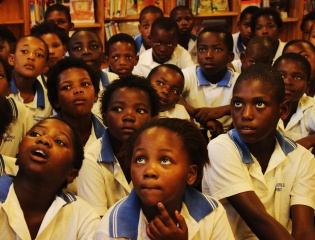
On a hot, dry February day, in a heat that would normally make the most attentive student lethargic, a Grade 4 class is rapt. Seated cross-legged on the floor, their mouths agape, eyes bright and never wavering, they focus intently on the woman turning the pages of ‘Jack’s Tractor’ by Thomas Taylor. Throughout the story, they repeat sounds and words back at…
New Year reading resolutions
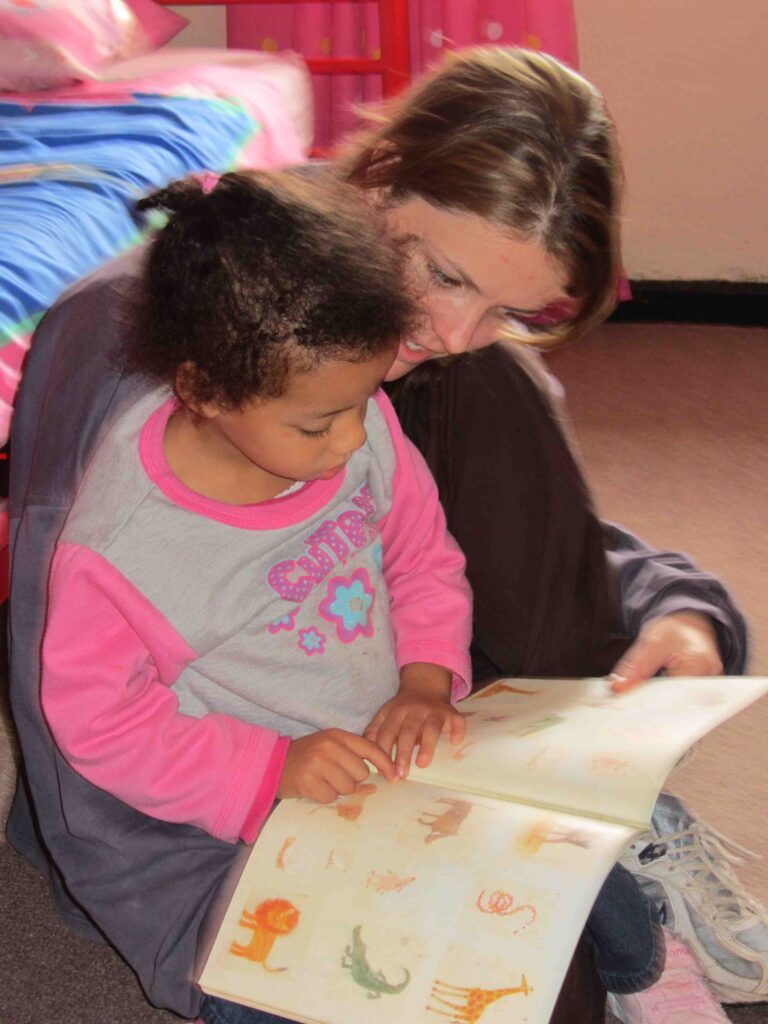
Do you make resolutions at the beginning of each new year? Many people’s resolutions involve giving up something they enjoy to improve their lives. But that’s where reading resolutions are different – they are simply about doing more of what you enjoy! Try our suggestions below to make reading and stories a part of your family’s everyday life! And download our Story Power Pacts for you and…
Which stories should we read and retell to our children?
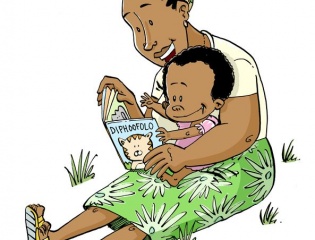
Stories travel – by word of mouth and in writing. Stories for children have been adapted over time from adult stories, often by translators, who have been responsible for crafting and shaping stories to suit their audiences across time and space. Think of Aesop’s Fables, told by Aesop, a slave and storyteller in Ancient Greece in the 5th century BC. Aesop’s Fables moved across continents for centuries,…
15 important benefits of sharing stories with children
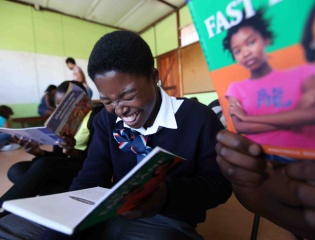
When did you last share a story? Was it this morning, when you told a neighbour about what happened yesterday in the check-out queue at the supermarket? Was it yesterday, when your daughter brought home a history project about the first democratic election in South Africa and asked you what you did on that day? Was it last weekend, when you and your friends…
Sharing the joy of reading at Nal’ibali training workshops
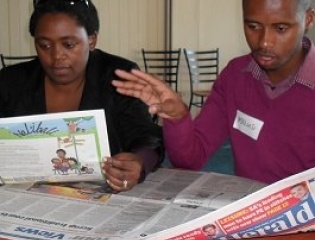
One could have easily mistaken the adult reading workshop for a pre-school class as grown men and women jumped up and down, sang and performed theatrics – all in the name of promoting literacy.
The Nal’ibali regional training workshop hit the Grahamstown area at the weekend as part of a national drive to get children and adults reading for enjoyment in a bid to inspire…
A simple reading plan shows the way

Recently I visited Pratham, a large non-profit organisation that promotes reading across India. I was intrigued by their claim that they could get young children to learn to read within six weeks and that they could help those lagging behind to catch up.
If we could do the same, I thought, we could begin to overcome one of the biggest challenges to education in South Africa –…
Great stories to help our country grow
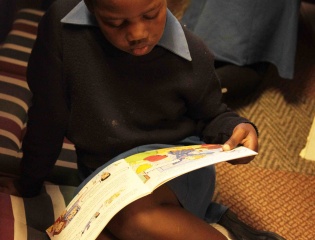
One of my favourite storybook characters as a child was Mrs Tiggywinkle from The Tale of Mrs Tiggywinkle by Beatrix Potter. She was a hedgehog who miraculously reinvented herself daily – without ever compromising her true identity – into an industrious entrepreneur who ran a laundry service! There she was bustling across the rolling green hills of the English countryside, a world that for me…
Start a storytelling tradition at home
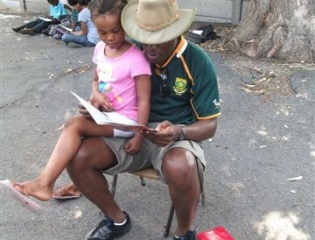
After publishing my first book on family storytelling and parenting over a year ago, many friends and readers have asked me, especially around Father’s Day, to offer my advice to new dads. My first reaction is, “I wouldn’t presume,” because as the father of two boys—ages 14 and 11—I’m still learning the ropes myself.
So I’ll refrain from offering any advice. But what I will do is…
Harnessing the potential of social networking for literacy development

Reading with comprehension is a human right that doesn’t happen for most South Africans. Is this blanket statement really true or are we ignoring the fact that significant numbers of people are reading in a different form of language than is expected of them – particularly the younger generation criticised for writing CVs and matric exams in so-called txt-tese, SMS language or chat speak?
Are…
Promoting multiculturalism through stories

According to the US Census Bureau, minorities represent almost half of America’s population under the age of 5. This statistic portends a more ethnically diverse America, with new and growing populations playing more significant economic, social and political roles. Perhaps it’s no surprise that kindergarten and elementary school teachers today recognise the importance of teaching a curriculum that reflects this multicultural and multiracial world.
Culturally responsive teaching means providing learning…